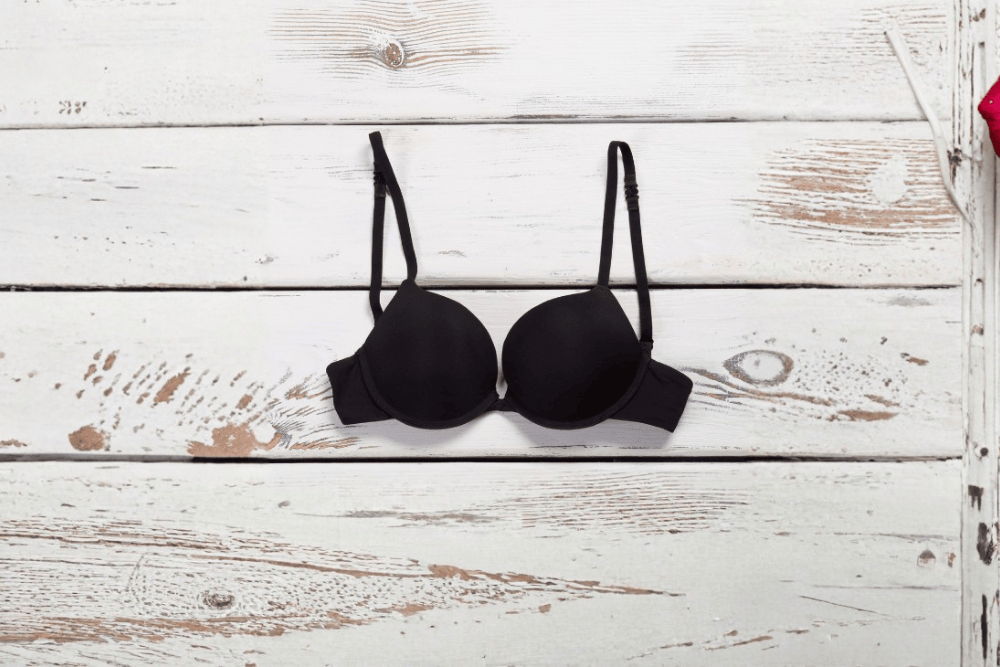
A good bra can maintain its shape, elasticity, and aesthetic appeal for a long time, but only if you treat it as a delicate item of clothing, not just another piece thrown thoughtlessly into the washing machine. It is precisely daily habits – how it is washed, dried, stored, and the frequency of wear – that most often determine whether a bra still provides good support and looks elegant after a few months, or quickly loses its shape. In this article, we will show you how to care for your bra in practice so that it truly looks new for years, and doesn't just "survive" a few delicate washes.
- How often to wash a bra not to damage it?
- Hand washing or machine washing - which to choose?
- How to dry a bra so it doesn't lose its shape?
- How to store bras so as not to deform cups and underwires?
- Most common care mistakes that cause bras to wear out faster
- How to extend the durability of your bra for everyday wear?
How often to wash a bra without damaging it
The frequency of washing a bra directly impacts its durability – both in terms of appearance and supportive properties. On one hand, washing too infrequently is unhygienic, but on the other, excessive washing very quickly weakens elastic fibers, deforms cups, and damages delicate details, such as lace or decorative trim.
This is especially important for models made from high-quality materials, which you'll find in the collection of fashionable women's lingerie – their durability is high, but only if care is conscious and well-thought-out.
In practice, the best approach is to observe how the bra "works" when worn. Not every day of use means it needs washing – much depends on the temperature, activity, and how long you had it on. The most important rules are as follows:
- Standard use (2-3 times) - for daily wear, a bra can be worn a few times before it needs washing. This allows the material to "rest" and return to its original shape.
- Intensive use - on warmer days or with more physical activity, it's worth washing more often, but still using gentle methods.
- Rotation of models - wearing the same bra day after day is one of the most common mistakes. It's better to have several models and use them alternately.
- "Rest" for the material - after a full day of wear, fibers need at least 24 hours to regain elasticity and shape.
It is this rotation and moderation in washing that allows the bra to maintain its ideal fit for longer. This is especially noticeable with more elaborate models available in the Oh!Zuza fashionable women's lingerie store, where construction and quality workmanship go hand in hand with long-lasting wearing comfort.
Hand washing or machine washing - which to choose

The way you wash your bra is crucial for its durability. Even if you wash it with the right frequency, an improper method can cause the cups to lose their shape and elastic elements to stretch quickly.
The safest solution is hand washing, especially for models with lace, delicate embellishments, or thin straps. This applies to products such as the Juliet lace bralette – white-pink print or the Diary lace bralette – black, where precise craftsmanship and details require special care.
However, this doesn't mean that machine washing is completely forbidden – the key is how you use it. If you do it consciously, you can significantly reduce the risk of damage:
- Choose delicate programs – low temperature (up to 30°C) and slow spin are essential.
- Use laundry bags – they protect the bra from deformation and snagging on other garments.
- Fasten hooks and eyes – this prevents snags and damage to the material.
- Avoid high-speed spinning – this is one of the main reasons for cups losing their shape.
It's also worth paying attention to detergents. Too aggressive washing agents can weaken the fabric's structure, so it's best to choose those designed for delicate fabrics. This is particularly important for more elaborate sets, such as the Mousse lace lingerie set – black with colorful ornament or the Ballade lace lingerie set – cream, where the quality of materials goes hand in hand with their delicacy.
If you want your bra to truly look new for years, hand washing should be your first choice, and the washing machine merely a well-controlled alternative.
How to dry a bra so it doesn't lose its shape
Improper drying is one of the most common reasons for bra deformation – even if it was washed correctly. High temperatures, the weight of wet material, or improper positioning can cause cups to lose their shape and straps to stretch.
The biggest mistake is drying a bra in a tumble dryer. Hot air destroys elastic fibers and can shorten the lifespan of lingerie by half. Instead, it's worth opting for natural drying, which helps preserve the material's structure and fit.
Key drying rules worth summarizing:
| Drying method | Effect on the bra |
|---|---|
| Flat drying | Safest - preserves cup shape and prevents stretching |
| Hanging by the center gore | Good alternative - minimizes tension on straps |
| Hanging by the straps | Can lead to stretching and loss of support |
| Tumble dryer | Most damaging - deforms cups and weakens material |
Special caution should be exercised with delicate models, such as bralettes or more decorative items often found in the sensual nightwear category. Their lightweight construction and delicate finishes require even greater attention to detail during drying.
A properly dried bra is one that maintains its shape without any deformation or material tension. This seemingly minor step in care actually makes a huge difference in how long lingerie looks good.
How to store bras so as not to deform cups and underwires
The way you store bras is just as important as how you wash and dry them. Even the best-cared-for model can quickly lose its shape if it's improperly placed in a drawer or crammed among other garments.
The most common mistake is folding the bra "in half" by tucking one cup into the other. This leads to permanent deformation and weakening of the construction, especially in models with padding or underwires.
Instead, it's worth adopting a simple rule: bras should have their own space. This applies especially to more elaborate models, such as the Mousse lace lingerie set - black with colorful ornament, where construction and details are crucial for the overall look.
| Storage method | Effect |
|---|---|
| Laying them one behind the other (cups in natural shape) | Best solution - bra maintains its shape and structure |
| Folding cups inwards | Causes deformation and permanent creases |
| Cramming into a tight drawer | Pressure deforms underwires and material |
| Storing loosely in an organizer | Facilitates tidiness and protects delicate elements |
A well-organized space for lingerie is an investment in its durability. It's worth using practical women's accessories for this, which help maintain order and protect delicate items from damage.
Remember that a bra is not just a piece of clothing, but a precisely designed construction. Proper storage allows it to maintain its functionality and aesthetics for much longer.
Most common care mistakes that cause bras to wear out faster

Most damage to bras does not result from their quality, but from daily habits that seem innocent at first glance. It is precisely these small, regularly repeated mistakes that cause lingerie to lose its appearance and functionality much faster than it should.
One of the most common problems is treating a bra like an ordinary piece of clothing. Thrown loosely into the washing machine, dried on a radiator, or stored in haste – it quickly loses its shape, even if it was perfectly fitted initially.
It is worth paying attention to a few key mistakes that genuinely shorten the lifespan of lingerie:
- Washing at high temperatures – destroys elastic fibers and causes loss of elasticity.
- Lack of protection in the washing machine – without a laundry bag, the bra snags on other clothes and deforms.
- Drying on a radiator or in a dryer – high temperatures deform cups and weaken the material structure.
- Wearing one model continuously – lack of rotation means the material doesn't have time to recover.
- Improper storage – folding and compressing leads to permanent deformations.
This is especially important for more elaborate sets, such as the Ballade lace lingerie set – cream, where every detail – from construction to finish – affects the final visual effect.
It's also worth remembering that care doesn't just apply to the bra. The entire lingerie set should be treated consistently – this also applies to items such as women's briefs, which also require a delicate approach.
By avoiding these mistakes, you can extend the life of your bra by even several months – without sacrificing comfort and aesthetic appeal.
How to extend the durability of your bra for everyday wear
It's not a single wash, but daily habits that determine how long a bra looks like new. Even the best model will lose its properties if worn continuously, removed incorrectly, or improperly fitted.
In practice, small, automatic actions make the biggest difference. These are what most affect the material's elasticity, fit, and wearing comfort. If you adopt a few simple rules, the difference in durability will be truly noticeable:
- Fasten your bra correctly – twisting it around your body stretches the band and weakens the construction.
- Choose the right size – a bra that's too tight or too loose will deform faster and lose its properties.
- Don't wear the same bra every day – rotation is key if you want to maintain its shape.
- Remove straps gently – tugging and quickly pulling them off causes them to stretch.
If you want to better understand the differences between models and their applications, it's worth checking out the guide bralette – what it is and how to wear it daily, which shows how the choice of style affects comfort and durability.
A well-chosen and properly used bra can look great even after many months. Especially if you opt for high-quality craftsmanship and conscious use – this combination truly extends the life of your lingerie.