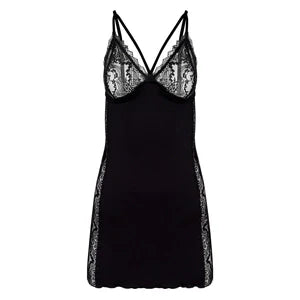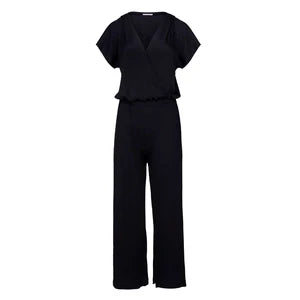
Lace in pajamas can look spectacular, but it's also the element that most readily reveals care mistakes: snags, pilling, loss of elasticity, or wavy edges after improper drying. The good news is that you don't have to give up your washing machine to care for delicate trims – all it takes is a few simple rules regarding the wash cycle, temperature, protective bags, and detergent. Below, you'll find practical tips on when to handwash and when to machine-safe, how to prepare pajamas for washing, and how to dry them so that the lace stays soft, smooth, and beautiful for a long time.
- How to wash women's lace pajamas – by hand or in the washing machine?
- Hand washing delicate lace nightwear
- Safe machine washing – protective bags and a program for delicate fabrics and knits
- How to prepare women's viscose and lace pajamas for washing
- What detergents and temperatures are best for viscose satin and lace pajamas?
- How to Dry Sensual Lace Nightwear So It Keeps Its Shape
How to wash women's lace pajamas – by hand or in the washing machine?
Lace in pajamas is delicate: it's easy to snag, pill, or "stretch" with excessive washing and spinning. Therefore, choosing a washing method should be based not on habit, but on the condition of the trim, the type of material, and the construction of the pajamas themselves. A good rule of thumb is: the more lace and the more it sticks out from the fabric, the gentler the wash . On the other hand, if the lace is well-sewn and the base material (e.g., viscose or viscose satin) has a smooth surface, the washing machine may also be safe—provided a few conditions are met.
Hand washing will be the best choice when:
- the lace is soft, very thin or has visible "eyelets" that can easily get caught,
- the pajamas have delicate stitching, piping, applications or decorative stripes,
- you already notice the first pulls or slight pilling on the finishes,
- It's the first time you wash new pajamas and you want to check how the material behaves.
Machine washing will work well if the lace is stable (well-sewn, without loose threads) , and you can provide it with a "protective shield" from friction in the drum. Three things are key: a protective bag , a program for delicate fabrics and knits, and a low spin . This will prevent the pajamas from rubbing against the zippers of other items or the drum, and the lace will maintain its elasticity and smoothness.
If you're hesitant, choose the "safe start" option: first, gently wash (by hand or in a washing bag, on cold setting), and only after assessing the results, perhaps switch to your standard routine. Lace "repays" for its gentleness —even a small change in the program and detergent can significantly extend its lifespan.
Hand washing delicate lace nightwear

If your women's lace pajamas have delicate, openwork trim or rich embellishments, hand washing is the safest method. This is especially true for styles made of viscose and viscose satin, which are soft and pleasant to the skin but require gentle treatment. Excessive heat or intense friction can cause the lace to lose its elasticity and cause the material to wavy.
To properly wash delicate lace nightwear:
- fill the bowl with lukewarm water (max. 30°C),
- add a small amount of liquid for washing delicate fabrics and knitwear,
- immerse the pajamas and gently knead the material for a few minutes - without rubbing or wringing,
- rinse thoroughly in clean water at the same temperature,
- Squeeze out excess water in a towel instead of wringing the material.
The most common mistake is rubbing the lace against itself during washing. This is why you shouldn't rub sensitive areas vigorously or use brushes. The lace should be able to move freely in the water and not be exposed to mechanical damage.
For more ornate styles—like the Poem long pajamas with lace trim— hand washing preserves the perfect appearance of the decorative inserts and the color's intensity. This is especially important for deep, saturated shades.
It's worth remembering that the high-quality viscose pajamas available at Oh!Zuza, a fashionable women's lingerie store , are designed with durability and comfort in mind. However, even the best fabrics and knits require proper care—gentle washing is the easiest way to maintain their elegant appearance for longer.
Safe machine washing – protective bags and a program for delicate fabrics and knits
While many people are wary of putting women's lace pajamas in the washing machine, in practice, a well-chosen program and appropriate protection can be as safe as hand washing. The key is to limit friction and contact between the lace and other items of clothing and the drum.
A protective laundry bag is essential . A fine-mesh model works best, as it stabilizes the material while allowing water and detergent to flow freely. It's a good idea to turn the pajamas inside out first and fasten all buttons or hooks to avoid snags. This means that even more ornate styles—such as the Sonnet long pajamas with lace and a feather print —can be machine washed without risk of deforming the finishes.
Choose a program for delicate fabrics and knits or "hand wash," set the temperature to a maximum of 30°C, and limit the spin cycle to a minimum. Too intense a spin is the most common cause of lace waving and loss of elasticity. For viscose and viscose satin pajamas, a gentle cycle helps maintain the softness and smoothness of the material.
Modern , fashionable women's pajamas , designed with attention to detail, are made of high-quality viscose that drapes beautifully and feels comfortable against the skin. Properly machine-washed, they retain their properties—as long as you avoid overloading the drum and wash them separately from heavy garments like jeans or zippered sweatshirts.
How to prepare women's viscose and lace pajamas for washing

Proper preparation is half the battle if you want women's viscose pajamas with lace trim to retain their shape and elegant appearance. Viscose is a soft and breathable fiber, but it becomes more susceptible to deformation when wet. Lace, on the other hand, doesn't like friction or snagging on other items of clothing. Therefore, a few simple steps before washing can significantly extend the life of your sleepwear.
Before putting your pajamas in the wash basin or washing machine:
- check the label and make sure what temperature is recommended for a given model,
- turn the pajamas inside out to minimize contact between the lace and the drum,
- fasten buttons and hooks to avoid snags,
- separate it from heavy clothes and items with zippers and Velcro,
- If washing in a washing machine, place it in a protective bag.
This is especially important for viscose satin styles, such as the Bliss Women's Pajamas with Long Pants, Viscose Satin – Black , or the Bliss Women's Pajamas with Long Pants, Viscose Satin – Dusty Pink . Viscose satin differs from classic satin—it's more breathable and more pleasant on the skin, but requires gentler treatment to maintain its subtle shine.
High-quality women's lace pajamas from Oh!Zuza are designed with durability and comfort in mind. However, even the best fabrics and knits require proper care – the better you prepare your pajamas for washing, the longer they will retain their shape, softness, and flawless lace appearance .
What detergents and temperatures are best for viscose satin and lace pajamas?
Choosing the right detergent is crucial for delicate fabrics like viscose and viscose satin. Too harsh detergents can weaken the fibers, roughen the lace, and cause the material to lose its softness and elasticity. Therefore, when washing sensual lace nightwear, it's best to choose gentle detergents designed for delicate fabrics and knits.
The best ones are :
- liquids without aggressive enzymes and bleaches,
- products dedicated to viscose or silk,
- minimal detergent - excess may leave residue on the fibers.
Avoid powders , which are harder to rinse out and can settle into the lace structure. Strong fabric softeners are also inadvisable—they weaken the fibers and can cause delicate finishes to lose their original appearance more quickly.
When it comes to temperature, a maximum of 30°C is considered safe. Higher temperatures can cause the viscose to shrink and the lace to deform. This applies to both more ornate styles and those that fall into the classic sleepwear category. Regardless of style, delicate fabrics require a cooler wash and a gentle spin.
It's worth remembering that women's viscose pajamas are valued for their breathability, softness, and elegant appearance. To preserve these properties for longer, less is more —lower temperatures, a shorter cycle, and a small amount of gentle detergent are the best care strategies.
How to Dry Sensual Lace Nightwear So It Keeps Its Shape
The drying method is just as important as the washing itself. Even the most carefully laundered , sensual lace nightwear can lose its shape if dried improperly. Viscose stretches more easily when wet, so avoid hanging heavy, dripping pajamas directly on a thin line or sharp edge of a clothesline.
The safest method is to dry it flat —on a towel, in its natural shape, with the lace delicately formed. If you decide to hang dry, choose a wide model and make sure the weight of the fabric doesn't pull on the lace trim. This will prevent the neckline or sleeves from fluttering and stretching.
Tumble drying is not a good idea for viscose and viscose satin pajamas. High temperatures and intense movement can permanently damage both the base material and the lace. Delicate fibers respond much better to a gentle, natural drying in a well-ventilated area, away from direct sunlight.
If you want to take comprehensive care of your sleepwear, it's worth checking out our guide on how to care for pajamas so they last longer , where you'll find additional care tips. Proper drying is the final, yet crucial, step —it determines whether the lace will remain soft, supple, and aesthetically pleasing for many seasons.