You take off your coat, and your dress "pokes," the fabric sticks to your tights, and your hair lifts with every move. Static electricity in clothes is a result of a combination of dry air, friction, and the fabric's composition. This problem is especially acute in autumn and winter, but it can also be a surprise in the warmer months. In this article, I'll explain where this effect comes from, what actually works in practice, and what to avoid to avoid damaging delicate fabrics.
- Why do clothes get electrified? The mechanism in a nutshell
- Dry air and electrostatic charges
- Friction and Material Composition – Synthetics vs. Cellulose and Natural Fibers
- What Really Works? Proven Ways to Deal with Static Clothes
- Air and skin moisturization
- Selection of layers and conscious choice of knitwear
- Antistatic accessories and home tricks
- What not to do with delicate materials?
Why do clothes get electrified? The mechanism in a nutshell
Static electricity in clothes is the result of a buildup of electrostatic charges , which are created when two surfaces rub together—for example, when you pull a sweater over your head, put a coat on over a dress, or when the fabric rubs against tights. As a result, one surface releases electrons, and the other accepts them. This excess charge has nowhere to discharge, which is why we experience a characteristic "popping" sensation or see the fabric stick to our skin.
The problem becomes especially acute when:
- the air is dry (e.g. during the heating season),
- we wear several layers of clothes that rub against each other,
- The styling is dominated by synthetic materials.
The quality of workmanship is also important. Carefully selected materials with the right composition and finish significantly reduce susceptibility to static electricity. That's why the Oh!Zuza women's lingerie store places such great emphasis on high-quality materials and meticulous detailing – comfort is as important as aesthetics.
Dry air and electrostatic charges

Dry air is one of the main causes of increased static electricity in clothes . When humidity drops—especially during the heating season—static charges have no way to discharge naturally. As a result, materials begin to "grasp" the body, creating a characteristic crackling sound when removing clothing.
Most often, the problem becomes more severe when:
- the heating is on in the apartment and the humidity drops below 40%,
- we wear layered outfits (e.g. dress + tights + coat),
- the skin is dry and the effect of the material's attraction is further intensified.
The solution may be simpler than it seems. Regularly airing rooms, using a humidifier, and ensuring proper skin hydration can significantly reduce the problem. It's also worth choosing fashionable women's clothing made of high-quality fibers, which work better with the natural moisture of the skin and air.
Friction and Material Composition – Synthetics vs. Cellulose and Natural Fibers
Not only dry air but also friction and fabric composition have a significant impact on static electricity in clothes. The more frequently materials rub against each other—for example, when walking or removing layers—the greater the chance of electrostatic charge building up. The type of fiber plays a key role here.
Synthetic materials, such as polyester and acrylic, are more susceptible to static electricity because they conduct moisture poorly and promote charge buildup. Cellulose and natural fibers, including viscose, are much better at wicking away moisture, reducing the clinging effect of clothes . However, it's worth remembering that it's not just the composition itself that matters, but also the quality of the yarn and the material's finishing.
A good example are viscose dresses , which combine lightness, breathability, and an elegant look with greater comfort. If you're wondering whether clothes made from this fiber will work in your wardrobe, check out the post "Are viscose clothes a good choice ?", where the topic is discussed in more detail.
What Really Works? Proven Ways to Deal with Static Clothes
Not every home trick delivers real results, and some can even damage delicate materials. Therefore, it's worth choosing solutions that actually reduce the buildup of electrostatic charges and are safe for materials. The most effective methods are:
- Air humidification – maintaining humidity levels between 40-60% helps to naturally discharge static electricity and reduces the effect of clothes “sticking” to the body.
- Conscious selection of layers – avoiding combining several synthetic materials in one style reduces friction and the formation of charges.
- Selection of high-quality fibers – viscose and other cellulosic fibers work better with moisture than classic synthetics.
- Lightly spraying with water – a light mist can temporarily neutralize the charges (it is important not to soak the material).
- Antistatic accessories – sprays or special linings – are suitable for more demanding styles.
In practice, the construction and quality of the clothes' finish are also of paramount importance. Carefully designed , elegant women's dresses made from refined materials not only drape beautifully but are also less prone to uncontrolled lifting or clinging to the figure.
Air and skin moisturization

Maintaining the right level of humidity in a room is one of the simplest and most effective ways to reduce static electricity in clothes. When the air is too dry, static electricity has no way to dissipate and remains on the surface of materials. Maintaining humidity levels around 40–60% significantly reduces this problem, especially during the heating season.
It's also worth taking care of your skin's condition. Dry skin can attract fabric and intensify the "sticky" effect of dresses or pants. Regularly applying lotion and avoiding very hot baths helps maintain the natural protective barrier.
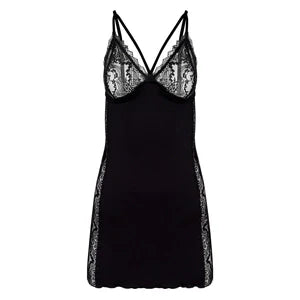
This is especially important for lightweight styles, such as the Echo viscose midi dress with wide straps – black , where the soft viscose drapes beautifully over the figure and looks best when the material can fall freely, without lifting or clinging to the body.
Selection of layers and conscious choice of materials
How you combine individual styling elements is crucial to reducing static electricity. Even the highest-quality fabric can become static electricity-prone if paired with a heavily synthetic base or top layer. Friction between different material surfaces is one of the main factors in the generation of static electricity.
In practice, it is worth following several rules:
- avoid combining several synthetic materials in one style,
- choose cellulose fibers, such as viscose, which work better with moisture,
- pay attention to the lining and tights – they also influence the final effect,
- choose refined cuts and high-quality finishes that limit excessive material cling.
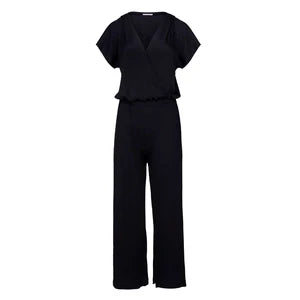
A good example are wide-leg styles, such asthe Echo viscose satin wide-leg trousers in black , which, thanks to their flexible structure and high-quality material , drape comfortably on the body. Similarly, well-tailored women's trousers made of breathable materials combine comfort with an elegant look.
Antistatic accessories and home tricks
When you need a quick, immediate effect, antistatic accessories and proven, safe tricks can be helpful. However, they should be used with caution, especially with delicate materials like viscose or viscose satin.
The most frequently chosen solutions are:
- special antistatic sprays for clothing,
- gently wipe the inside of the material with a damp hand,
- using a metal hanger to "pull" the load before putting on clothes,
- antistatic lining or petticoats for more demanding styles.
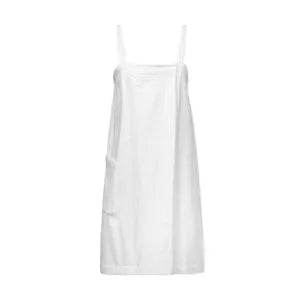
In everyday styling, it's also worth paying attention to detail – carefully selected women's accessories , such as petticoats or layered pieces, can significantly improve comfort. With lightweight styles, such as the Toscana mini dress with pleated ruffles – cream , proper padding allows for a casual, elegant effect without uncontrolled fabric lift.
What not to do with delicate materials?
It's easy to overdo it when dealing with static electricity – and some popular methods can actually damage the fabric more than the problem itself. Lightweight, flexible fabrics, including viscose and viscose satin, require special care, as they can lose their structure and elegant appearance if not cared for properly.
Above all, avoid:
- direct spraying with highly concentrated preparations without testing on an invisible part,
- intensive rubbing of the material (e.g. with a tissue or brush),
- drying clothes on very hot radiators,
- washing at too high a temperature, which can weaken the fibers.
The best solution is prevention: consciously choosing ingredients, proper care, and investing in high-quality materials. Carefully designed clothing made from high-quality fibers not only drapes beautifully but also copes better with everyday wear—without clinging or unsightly lifting.