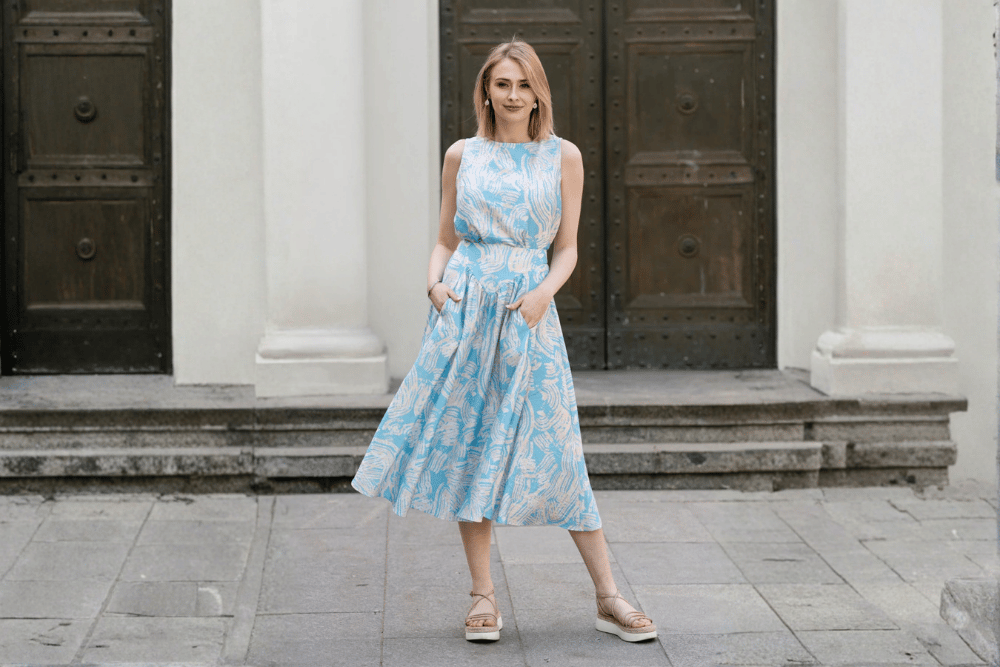
Oversize doesn't have to add bulk to your figure – the problem usually isn't in the loose cut itself, but in the proportions. An overly long sweatshirt, a wide top paired with an equally wide bottom, or a lack of defined silhouette points can make the whole look heavier than it should. However, a well-chosen oversize works in reverse: it offers freedom, looks modern, and can subtly highlight the figure's assets. The key is consciously combining styles, lengths, and materials, especially soft, quality fabrics and knits that drape on the body instead of visually widening it. In this article, we'll show you how to wear oversize to maintain the lightness of your outfit and feel comfortable regardless of size.
- Why does oversize sometimes visually broaden the silhouette?
- How to maintain proportions in oversize clothing?
- What to pair with a loose top for a light outfit?
- How to wear wide trousers and skirts without a heavy effect?
- What materials and lengths work best in oversize?
- The most common mistakes when wearing oversize
Why does oversize sometimes visually broaden the silhouette?
Oversize has remained one of the strongest trends for several seasons, but many women still worry that looser styles add pounds. In practice, the problem is not the cut itself, but the way proportions are built. Too voluminous clothing without maintaining balance can "lose" the silhouette and make the whole look heavy.
This most often happens when a wide top is combined with an equally loose bottom, or when clothes are simply too big, rather than having a consciously oversized cut. Materials also play a huge role – stiff fabrics and knits often stand away from the body, visually widening the shoulders, hips, or waist. Soft, more flowing materials that drape naturally and add lightness to the outfit work much better.
Good examples are well-tailored women's oversize sweatshirts, which have a dropped shoulder line and a relaxed fit, but at the same time maintain appropriate length proportions. This ensures the silhouette still looks harmonious, instead of appearing "hidden" under a layer of fabric.
The biggest mistake? Treating oversize as a way to mask the entire figure. Meanwhile, the best effect comes from subtle highlighting of proportions – for example, revealing the neck, accentuating the waist, or pairing a looser item with a more fitted one.
In practice, the best combinations are:
- a loose top paired with a more structured bottom,
- oversize with a relaxed fit, but without a "baggy" effect,
- soft materials that drape closer to the silhouette,
- lengths that emphasize proportions instead of disrupting them.
It's worth remembering that modern oversize is not about hiding the figure, but about building a relaxed and conscious outfit. That's why well-designed clothes – especially those made from high-quality materials – can look light and very feminine regardless of size.
How to maintain proportions in oversize clothing?

The best-looking oversize outfits have one thing in common — they maintain a balance between volume and silhouette line. It is these proportions that determine whether the whole look is light and modern, or rather heavy and haphazard. Oversize should not dominate the entire outfit, but rather complement the figure.
One of the simplest rules is to pair a looser item with a more structured style. If you choose voluminous tops, it's worth opting for trousers or skirts that streamline the silhouette. Similarly - a wide bottom looks better with a shorter or more fitted top.
Modern women's oversize blouses work great here, as they have a relaxed cut, but thanks to appropriate length and soft materials, they don't overwhelm the figure. A similar effect is provided by a well-made Echo oversize shirt made of viscose satin – cream, because viscose satin subtly drapes the body and does not create stiff bulk.
The length of clothing is also very important. Sweatshirts or shirts that end at the widest point of the hips often visually shorten the silhouette. Styles that end slightly higher or lower look much better, making the body line more harmonious.
To ensure oversize doesn't disrupt proportions, it's worth remembering a few rules:
- pair one loose element with a more structured style,
- choose materials that drape softly on the silhouette,
- pay attention to the length of blouses, shirts, and blazers,
- reveal the neck, wrists, or ankles to add lightness to the outfit.
A well-chosen oversize can look very feminine and modern – especially when the clothes are made from quality materials and have a consciously designed cut. This is why more and more women treat looser cuts not as a way to hide the silhouette, but as an element of building a comfortable and refined wardrobe.
What to pair with a loose top for a light outfit?
A loose top looks best when the rest of the outfit streamlines the silhouette's proportions. However, this doesn't mean you have to sacrifice comfort or choose only very tight styles. The key is to create contrast that gives the whole outfit lightness and makes the oversize look deliberate, not accidental.
A good solution is more fitted trousers, skirts that accentuate the waist, or shorter blouse styles. This way, the silhouette maintains a clear line and doesn't get lost under an excess of material. Clothing made from soft, flowing materials works particularly well here, as they don't add extra bulk.
An interesting effect is also achieved by pairing oversize with elements that emphasize the feminine silhouette. A loose T-shirt or shirt can look much lighter when combined with a more fitted bottom or a subtly defined waist. This is why many women combine relaxed styles with models such as fitted dresses, treating oversize as a layer that adds a modern character to the outfit.
A good example of a consciously designed style is also the Echo oversize short-sleeved T-shirt – chocolate print. The soft material and well-balanced cut make the T-shirt look relaxed, yet still maintain the lightness of the silhouette.
It's worth remembering that details also play a huge role. Rolled-up sleeves, a partially tucked-in front of a blouse, or an exposed neckline make the outfit more proportional. It is these elements that make oversize look modern and feminine, instead of appearing too heavy.
If you like looser shirts, you might also find helpful tips in the guide oversize shirt – how to style it for everyday and work, which shows how to build more harmonious outfits without sacrificing comfort.
How to wear wide trousers and skirts without a heavy effect?
Wide styles can look very stylish, but they require greater control over proportions than classic cuts. The most common problem arises when a loose bottom is combined with an equally voluminous top without defining the silhouette. As a result, the outfit loses its lightness and begins to optically widen the entire figure.
The rule of balance works best — if you choose wide trousers or a flared skirt, the top should be more structured. It doesn't have to be very fitted, but it's worth opting for a shorter style, emphasizing the waist, or exposing the neck and wrists. This way, the silhouette maintains clear proportions.
Materials also play a big role. Soft and flowing fabrics appear much lighter than heavy, stiff materials that create additional bulk. This is why models made of viscose are increasingly popular, as they drape naturally with movement.
Good examples are modern women's wide-leg trousers, which, thanks to their well-designed leg line, elongate the silhouette instead of shortening it. Light midi skirts, such as the Echo viscose midi skirt with pockets – blue print or the Echo viscose midi skirt with pockets – pink print, provide a similar effect, as the soft viscose subtly works with the silhouette and does not create a heavy impression.
The best combinations with wide styles usually look like this:
| Outfit Element | What gives the best effect? |
|---|---|
| Wide trousers | A shorter or slightly structured top |
| Oversize midi skirt | Accentuated waist and exposed neckline |
| Loose oversize set | Soft materials instead of stiff fabrics |
| Wide bottom and sweatshirt | Visible silhouette proportions and leg length |
Oversize looks best when it provides freedom, but still allows for maintaining the natural line of the silhouette. Therefore, high-quality materials and a well-thought-out cut are much more important here than the size of the garment itself.
What materials and lengths work best in oversize?

In oversize, not only the cut itself but also the material and length of the garment are of great importance. These two elements often determine whether the outfit looks light and modern, or begins to optically weigh down the silhouette. Even a well-cut oversize can look unflattering if the material is too stiff or the length disrupts body proportions.
The most flattering effect is achieved with soft materials that drape freely with movement. Viscose, viscose satin, or delicate knits allow for a looser character of the garment without creating excessive volume. This makes oversize look more natural and subtly emphasizes the silhouette.
The length of clothing also plays a significant role. Sweatshirts ending exactly at hip height often shorten the silhouette and widen its line. Models that are slightly shorter or those that clearly elongate proportions look much better. This is why short women's sweatshirts are becoming increasingly popular, as they allow for a balance between a relaxed fit and waist emphasis.
Similarly, well-chosen oversize dresses work effectively. If they have the right length and a soft, flowing material, they can look very feminine and light, instead of creating the effect of a heavy, shapeless silhouette.
More and more women today pay attention not only to the cut itself but also to the quality of workmanship. High-quality materials drape better with movement, maintain their shape, and make oversize look more premium. This is especially important for everyday wear, where comfort should go hand in hand with aesthetics.
It's worth remembering that well-designed oversize is not about adding more layers of material. It's about creating a free form that still harmonizes with the silhouette and emphasizes its natural proportions.
The most common mistakes when wearing oversize
Oversize can look very stylish, but only when the clothes are chosen consciously. Many outfits lose their lightness not because of the loose cut itself, but due to errors in proportions, lengths, or material selection. The biggest problem is treating oversize as a way to completely hide the silhouette.
In practice, excess volume rarely works favorably. A too-wide top combined with a voluminous bottom can make the silhouette look heavier and lose its natural proportions. PSimilar effects are caused by very thick materials or shapeless styles.
However, more and more women are discovering that a well-designed oversize can look incredibly feminine. Key factors here are appropriate lengths, high-quality materials, and conscious proportion building. That's why it's worth choosing clothes from collections that prioritize not only fashionable cuts but also wearing comfort and refined tailoring, such as in the fashionable women's underwear store Oh!Zuza, where looser models are designed with silhouette lightness and everyday comfort in mind.
The most common mistakes when wearing oversize are:
- combining several very voluminous items in one outfit,
- choosing clothes that are simply too big instead of actual oversize styles,
- ignoring the length of blouses, shirts, and skirts,
- opting for stiff materials that create additional bulk,
- completely hiding the waist and silhouette proportions.
Oversize looks best when it provides freedom while still maintaining the harmony of the silhouette. Therefore, instead of masking the figure, it's worth treating looser styles as a way to create a modern, comfortable, and consciously built wardrobe.