Lace briefs can look spectacular – subtle, light, and incredibly feminine. However, their greatest advantage is also their greatest care challenge. The delicate structure of lace makes it very easy for snags, deformations, or loss of aesthetics to occur after just a few incorrect washes or improper storage. Contact with rough material, a zipper, or excessive spinning is enough for your favorite lingerie to lose its original appearance. Therefore, if you want your lace briefs to look like new for a long time, it's worth learning specific care rules and avoiding common mistakes that often lead to their destruction.
How to wash lace briefs without damaging them
Most lace damage occurs during washing – and what's important, it's not just about the temperature, but the entire process. Delicate fibers easily snag on other garments, so it's crucial to properly prepare lingerie before putting it in the washing machine. If you choose high-quality women's panties, made from refined materials and precisely finished lace, it's worth caring for them just as consciously.
In practice, hand washing is best, but if you use a washing machine, remember a few rules that genuinely extend the life of your lingerie:
- use special laundry bags for delicate items – they reduce the risk of snags,
- choose a program for delicate fabrics (max. 30°C),
- avoid strong spinning – ideally set it to minimum or turn it off completely,
- use mild detergents, without aggressive enzymes,
- do not wash lace with clothes that have zippers, hooks, or Velcro.
A good example of lingerie that requires special care is Secret Brazilian lace briefs with cut-out – black – their light, ornamental structure looks impressive, but also requires delicate handling during every wash.
The most common mistake? Washing lace "incidentally" with other clothes. In practice, this is when micro-damage occurs, which after a few cycles turns into visible snags and loss of shape.
What to avoid to prevent lace from snagging
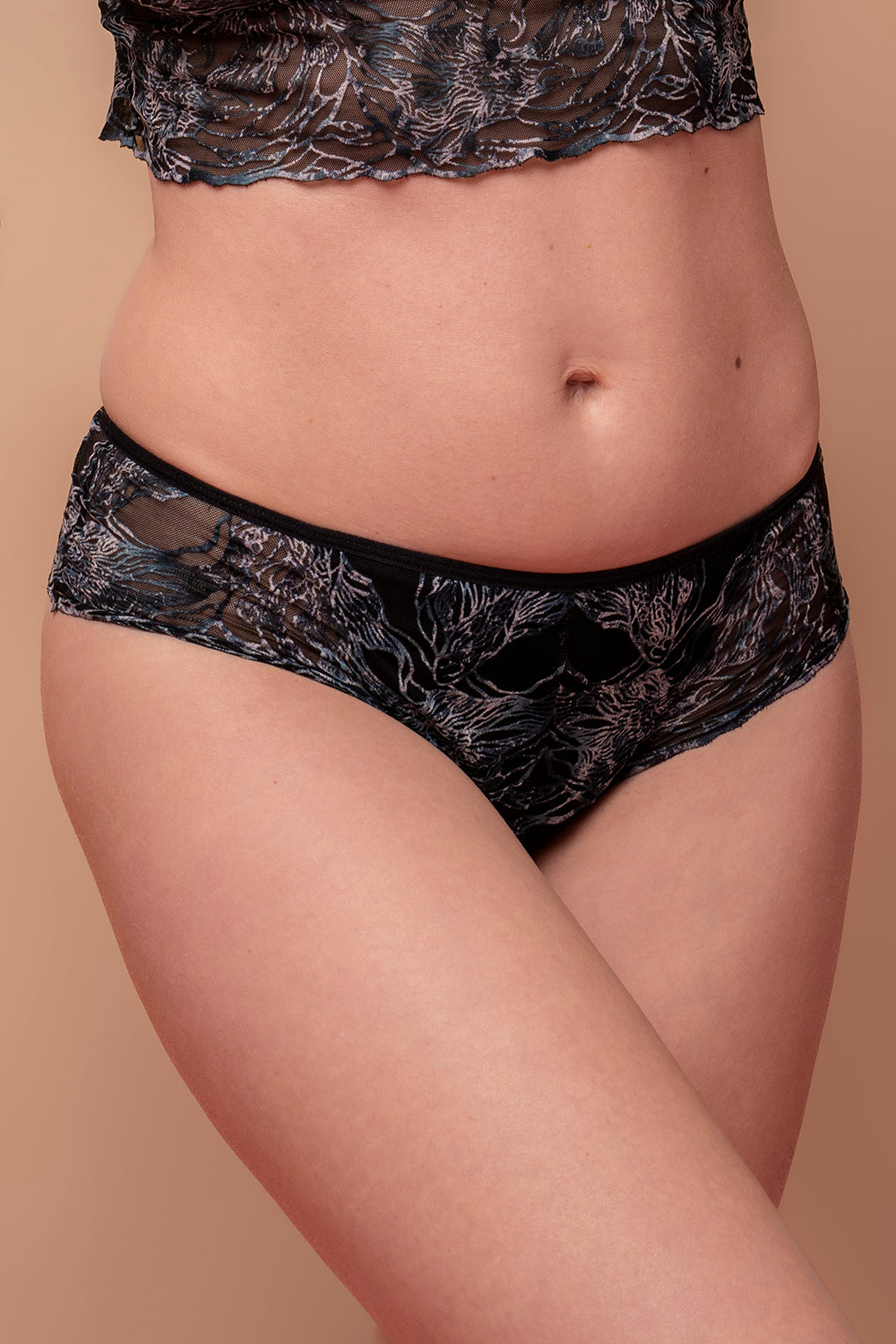
Lace is one of the most effective, but also one of the most demanding materials in lingerie. It's not washing itself that most often damages it, but small, daily habits that seem harmless at first glance. In practice, just a few repeated mistakes can cause even the highest quality women's lingerie to start losing its appearance.
The greatest threat to lace are any elements that can snag it. This refers not only to zippers or hooks, but also to jewelry, nails, or even rough surfaces that the lingerie comes into contact with during wear or storage. It is in such situations that micro-snags occur, which over time become increasingly visible.
It's also worth paying attention to how you put on and take off your lingerie. Too quick, careless movements can cause material tension, especially where the lace joins elastic knitwear. As a result, the structure begins to loosen, and the lace loses its original shape.
Good examples are more ornate sets, such as Toscana lace lingerie set - bralette and briefs - black – their decorative character makes them look incredibly stylish, but also requires greater care in daily use.
The key rule is simple: if something can snag lace – sooner or later it will. Therefore, conscious use of lingerie is just as important as proper washing.
How to dry lace lingerie to maintain its shape
Drying is one of the most underestimated stages of lingerie care, and at the same time, a moment when it's very easy to nullify the effects of even the best washing. Delicate lace, especially when combined with high-quality materials like modern viscose, reacts very sensitively to temperature, water weight, and the way it's hung. It is at this stage that stretching, loss of elasticity, and subtle deformations often occur, causing the lingerie to no longer fit the body perfectly.
It's worth remembering that good quality products – such as those available in the fashionable women's lingerie store Oh!Zuza – are designed for durability and comfort, but only proper care allows their full potential to be realized. Lace can look like new for a long time, provided it is not exposed to aggressive drying.
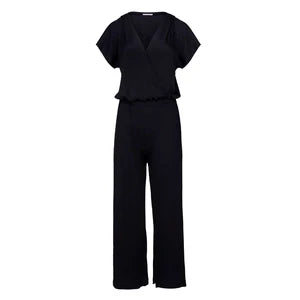
One common mistake is treating drying as a "quick step to check off." Meanwhile, it's a process that should proceed calmly and naturally. The less mechanical and thermal intervention, the better for the material's structure. This applies not only to briefs, but also to garments such as women's lace pajamas or more elaborate sets, where lace plays a significant visual role.
To avoid the most common problems, it's worth adhering to a few simple rules:
- do not use a tumble dryer – high temperature destroys the structure of lace and weakens its fibers,
- do not wring out lingerie – instead, gently press out water in a towel to avoid damaging the material's structure,
- dry flat or hung in its natural position, without stretching,
- avoid direct contact with sunlight, which can cause fading and stiffness of the lace,
- do not hang lingerie on thin lines or sharp edges – they can cause deformations and creases.
Patience is the best method. Natural drying helps maintain the elasticity, softness, and perfect appearance of lace, which directly translates into wearing comfort and lingerie durability. In practice, it is this stage that determines whether, after a few weeks of use, the lace still looks elegant or begins to lose its shape.
Storing lace briefs – practical rules

Proper storage of lingerie is an element that is often overlooked, but in practice, it is of great importance for the durability of lace. Even if you wash and dry your briefs correctly, improper arrangement in a drawer can lead to creases, deformations, and even snags. Lace, as a material with an openwork structure, easily snags on other garments, so it requires a little more attention every day.
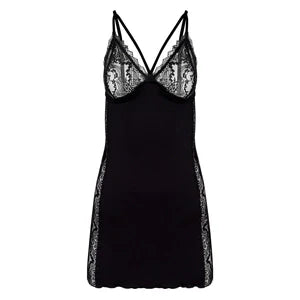
The most common mistake is throwing lingerie loosely into one drawer with other clothes. In such a situation, lace can rub against zippers, buttons, or rough materials, which over time leads to its damage. This applies especially to more decorative models and products such as women's lace nightgowns, where delicate finishes are a key aesthetic element.
To maintain the perfect appearance of your lingerie for longer, it's worth adopting a few simple habits:
- store lingerie in a separate, dedicated drawer,
- arrange briefs loosely, without squeezing or crushing,
- avoid contact with elements that could snag the lace,
- you can use organizers to help maintain order and reduce friction between materials,
- keep more delicate models separate from more structured lingerie.
A well-organized space is real protection for lace. This prevents micro-damage, which often occurs unnoticed and only affects the appearance of the lingerie over time. In practice, it is these daily storage habits that determine whether the lace remains intact for a long time.
How to recognize high-quality lace and why it matters
Not all lace is the same – and its quality largely determines whether lingerie will be resistant to snags. Cheaper, mass-produced materials often have a looser weave and are more susceptible to damage on first contact with something sharper. In contrast, carefully designed lace, used in fashionable women's lingerie, is characterized by greater elasticity, better shape retention, and significantly higher resistance to daily wear.
In practice, the difference is visible upon first contact with the product. High-quality lace is soft, yet "dense" – it does not stretch excessively and does not lose its shape with gentle tension. Importantly, it also works well with other materials, such as viscose, which dominates modern nightwear, providing comfort and breathability without the risk of stiffness or irritation.
It's also worth paying attention to the finishes – seams, joins, and elastic elements. These are often where the first signs of wear appear. If they are precisely made, and the lace does not detach or wrinkle, you are dealing with a product designed for durability. Thanks to this, even regular use does not quickly lead to snags or deformations.
Quality really makes a difference. Well-made lace not only looks more elegant but also "forgives" minor care mistakes. This is why investing in better lingerie translates into its longer lifespan and unchanging appearance for many months.