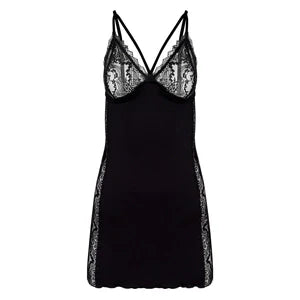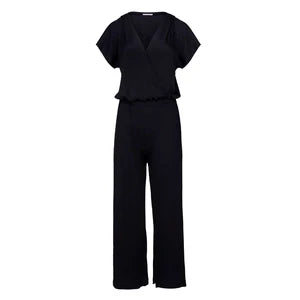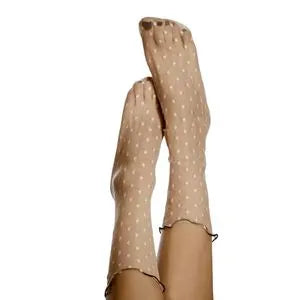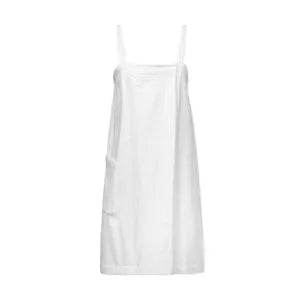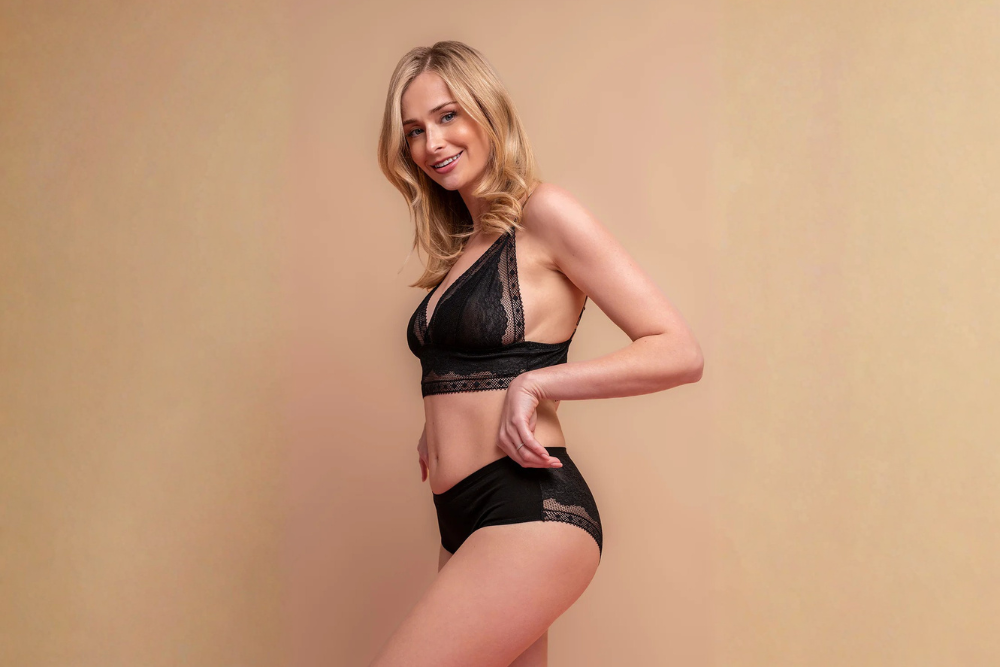
Burning skin, redness, discomfort while walking, and sometimes even painful irritation often don't start from heat or intense movement, but from poorly chosen underwear. Too tight a cut, rough finishes, improper material, or a poorly placed seam can cause micro-abrasions after just a few hours of wear. The problem is not only the size but also the quality of workmanship - low-quality underwear can retain moisture and increase friction, while well-designed models made from refined materials help maintain comfort throughout the day. In this article, we explain why underwear causes chafing, what mistakes most often lead to irritation, and how to choose skin-friendly styles.
- The most common causes of chafing caused by underwear
- Which underwear styles most often cause irritation?
- Why does underwear material matter so much for the skin?
- How to choose underwear to avoid chafing and discomfort?
- Can night lingerie and sleepwear exacerbate chafing?
- How to care for irritated skin and prevent recurrence?
The most common causes of chafing caused by underwear
Skin chafing is very often the result of several seemingly minor mistakes that together lead to discomfort after just a few hours of wearing underwear. The problem intensifies especially in summer, during long periods of sitting, a busy day, or increased physical activity. Contrary to popular opinion, the size itself is not always to blame - the quality of the material, the way it's sewn, and how the style fits the figure also play a huge role.
The most common cause of irritation is excessive skin friction combined with moisture. When the material does not breathe, the skin starts to sweat, and every movement increases the risk of micro-abrasions. That's why cheap underwear made of stiff synthetics often causes burning, redness, and a feeling of discomfort at the end of the day.
Design details also play a significant role, which many people ignore when shopping. Too thick seams, hard elastic bands, or poorly sewn lace can constantly rub delicate skin. The problem often arises when the style shifts during walking or hugs the body too tightly.
The most common mistakes causing chafing are:
- too tight underwear increasing pressure and friction,
- rough materials that trap moisture,
- thick or poorly finished seams,
- ill-fitting styles that shift during movement,
- wearing the same underwear for many hours in high temperatures.
More and more women are paying attention not only to appearance but also to wearing comfort. That's why high-quality Oh!Zuza trendy women's lingerie store offers models designed with skin comfort in mind - with soft finishes, elastic materials, and a refined cut. This is especially important for daily use, when lingerie is in contact with the skin for several hours.
Proper style selection also matters. Not every figure will feel comfortable in highly cut models or lingerie with a lot of stiff lace. In practice, models that fit stably on the body and do not cause excessive pressure work best. An example could be Diary black cotton briefs with lace back, which combine a comfortable cut with a delicate finish, reducing the risk of irritation.
It is worth remembering that the problem of chafing often does not result from a single mistake, but from daily habits and poorly chosen underwear. Even a small change in material or style can significantly improve skin comfort and reduce recurring irritation.
Which underwear styles most often cause irritation?

Not every underwear style will be equally comfortable for the skin. Much depends on body shape, movement patterns, and daily activities. Models that don't fit well on the body or cling too tightly to the skin can cause constant friction and lead to irritation after just a few hours of wear.
The biggest problem usually arises when the style doesn't work with the body's natural movement. Too tight models can roll up while walking, dig into the skin, or shift, increasing the risk of micro-abrasions. This is especially true for underwear made of stiff materials or models with tightly stretched elastic bands.
The proper fit of the style to one's daily lifestyle is also important. A different model will work for many hours of sedentary work, and another for an active day or high temperatures. Ill-fitting underwear can cause not only temporary discomfort but also regularly recurring skin irritations.
| Underwear style | Most common problem | When does it cause the most discomfort? |
|---|---|---|
| Highly cut thongs | Friction and material shifting | During long walks and hot weather |
| Too tight briefs | Pressure and elastic band marks | With many hours of wear |
| Lace models with stiff finishes | Skin irritation | For sensitive skin and high temperatures |
| Ill-fitting bodysuits | Material tension and chafing | While sitting and moving |
In practice, models that stabilize well on the figure and do not require constant adjustment work best. Well-designed elegant women's lingerie can combine an aesthetic appearance with everyday comfort - provided it is made of soft materials and properly finished.
More and more women are paying attention not only to appearance but also to the quality of underwear craftsmanship. Carefully crafted models adapt better to the figure, reduce material shifting, and provide greater comfort throughout the day.
Increasingly popular are also fashionable women's bodysuits, which, when properly fitted, can reduce material shifting and improve wearing comfort under clothing. However, the elasticity of the material and a well-profiled cut are crucial.
A good example of combining comfort and a light style are Secret black Brazilian lace briefs with cut-out, which, thanks to a more delicate finish, adapt better to body movement and reduce the risk of excessive pressure.
It is worth remembering that even the trendiest style will not be a good choice if it causes discomfort after a few hours of wear. For the skin, the softness of the material, elasticity, and the finish of the underwear are most important.
Why does underwear material matter so much for the skin?
The material from which underwear is made affects not only wearing comfort but also the condition of the skin. It determines whether the skin can breathe freely, how quickly moisture is wicked away, and whether excessive friction occurs during movement. Poorly chosen materials can exacerbate irritation even if the style is appropriately fitted.
The biggest problem is usually caused by stiff synthetics with low breathability. Such materials trap heat and moisture, making the skin more susceptible to chafing. Discomfort often intensifies in summer, during prolonged sitting, or an active day away from home.
Soft, breathable materials are becoming increasingly popular, as they work better with the skin and reduce the risk of irritation. Fabrics and knits with a delicate finish that do not cause a feeling of roughness during movement are particularly effective.
The most important characteristics of skin-friendly materials are:
- breathable materials help reduce moisture,
- elastic finishes reduce pressure on the skin,
- soft fabrics and knits reduce friction during walking,
- refined finishes improve comfort for many hours of wear.
Today, viscose clothing is very popular because this material is light, pleasant to the skin, and works well in nightwear or everyday sleepwear. Viscose helps to reduce the feeling of overheating and increases comfort on warmer days.
In the case of more elegant lingerie, the proper finishing of the material also plays a huge role. Many women today choose satin clothing, which is distinguished by its smooth surface and less friction when in contact with the skin. However, it is worth remembering that satin and viscose satin can differ in properties - especially in terms of breathability and softness.
Well-designed premium lingerie does not focus solely on appearance. The quality of materials, careful stitching, and comfort of daily use are also important. Examples include Mystery black Brazilian flocked briefs, which, thanks to more delicate finishes, adapt better to the skin and reduce the risk of discomfort.
In practice, the material often determines whether the underwear remains comfortable throughout the day. Even a well-fitting style will not provide comfort if the skin is constantly exposed to moisture, overheating, and friction.
How to choose underwear to avoid chafing and discomfort?
Choosing the right underwear has a huge impact on daily skin comfort. Many women focus mainly on appearance or size, forgetting that material, construction, and finishing are equally important. Well-fitting underwear should work with the body's movement, not cause pressure or shifting while walking.
The biggest mistake is choosing models that are too tight or hug the skin too much. Such underwear can increase pressure on delicate body areas and lead to micro-abrasions. The problem often intensifies during hot weather or prolonged wear.
The quality of materials and careful workmanship are also crucial. Soft finishes, elastic fabrics and knits, and well-placed seams help reduce the risk of irritation even on an intense day.
When choosing underwear, it is worth paying attention to:
- elastic material that adapts to the figure,
- absence of stiff and thick finishes,
- an appropriate style suited to the body type,
- material breathability to reduce moisture,
- wearing comfort during movement and sitting.
More and more women today choose premium models that combine aesthetics with the comfort of everyday use. Well-made high-quality women's underwear fits the body much better and does not cause as much friction as cheaper counterparts made of low-quality materials.
For sensitive skin, styles with a softer finish that do not cause a feeling of pressure work well. An example could be Diary black lace briefs with jewelry charm, which, thanks to more delicate details and a more elastic construction, provide greater comfort during daily wear.
It's worth remembering that skin comfort often depends on small details. Even a slight change in style or material can significantly reduce the problem of irritation and improve comfort throughout the day.
Can night lingerie and sleepwear exacerbate chafing?

Many people focus exclusively on underwear worn during the day, forgetting that sleepwear and night lingerie also have a huge impact on skin condition. It is precisely during sleep that the skin regenerates after a day of friction, moisture, and pressure. If nightwear is made of non-breathable materials or has an ill-fitting style, irritation can persist for much longer.
The biggest problem usually arises when the material traps heat and restricts airflow. The skin then remains moist for many hours, which increases susceptibility to chafing and a burning sensation starting from the morning. Discomfort can worsen particularly in summer and for people with sensitive skin.
More and more women are paying attention to the quality of materials used in night lingerie. Soft fabrics and knits fit the body better, do not cause excessive pressure, and allow the skin to breathe more freely during sleep. That is why models made of viscose and delicate materials with a smooth finish are very popular.
It's worth remembering that the problem of chafing can also affect the thighs and hips during sleep. This is particularly common in people who choose overly tight styles or materials with a rough texture. More on this topic can be found in the article thigh chafing and the choice of underwear and nightwear, where the impact of night lingerie on skin comfort is described in more detail.
The appropriate style of night lingerie is also of great importance. Too tight models can cause pressure and restrict freedom of movement during sleep, which increases the risk of irritation. Styles that gently drape over the body, without stiff finishes and thick seams, work better.
An example of a comfortable solution could be Journal white Brazilian lace briefs with cut-out, which, thanks to a softer finish and light construction, help reduce discomfort during wear.
Well-chosen night lingerie can truly improve skin regeneration and reduce the problem of recurring chafing. Comfort during sleep affects not only convenience but also daily well-being and the condition of delicate skin.
How to care for irritated skin and prevent recurrence?
Irritated skin in intimate areas primarily requires limiting further friction and providing appropriate conditions for regeneration. Many people make the mistake of immediately returning to the same tight underwear or rough materials that previously caused discomfort. Without removing the cause of the problem, irritation very often returns.
The most important thing is to reduce moisture and overheating of the skin. In practice, soft, breathable materials that allow the skin to breathe and do not cause additional pressure work best. It is also worth avoiding models with thick seams and tightly stretched elastic bands.
Daily skin care also plays a significant role. Gentle cleansing, avoiding irritating cosmetics, and regular change of underwear help reduce the risk of further irritation. For sensitive skin, looser styles worn for at least a few days after chafing appears also work well.
| What helps reduce chafing? | Why is it important? |
|---|---|
| Breathable materials | Help reduce moisture and overheating of the skin |
| Soft finishes | Reduce the risk of additional friction |
| Regular change of underwear | Reduces skin contact with moisture |
| Well-fitting style | Reduces material shifting during movement |
More and more women are consciously choosing premium lingerie, which has been designed not only with appearance in mind but also with daily skin comfort. Carefully refined styles, soft materials, and high-quality finishes help reduce the problem of recurring irritation.
It is worth remembering that even small changes - such as choosing a more breathable material or a better-fitting style - can significantly improve skin comfort. Proper underwear should not be noticeable when worn, and its purpose is to support comfort throughout the day, not to cause discomfort.